Du bist am Zug – Pilot project in Berlin, 2022
In 2022, DU BIST AM ZUG took place for the first time in Berlin. It was an urban experiment – we wanted to discover what would happen if people were given the chance to present content of their choice in the public space. All types of contributions were welcome, as long as they did not violate existing laws. From July to August 2022, 1500 posters designed by Berliners were lightened up the city streets.
The diversity of the content inspired us, and we would like to share some of the results of our study.
We identified six topics:
Creativity
Political Messages
Photographs Of Nature, Animals And Cityscapes
Glimpses into personal worlds
Berlin
Inspiration, greetings, compliments and advice
Some comments from the participants
What’s next?
Creativity
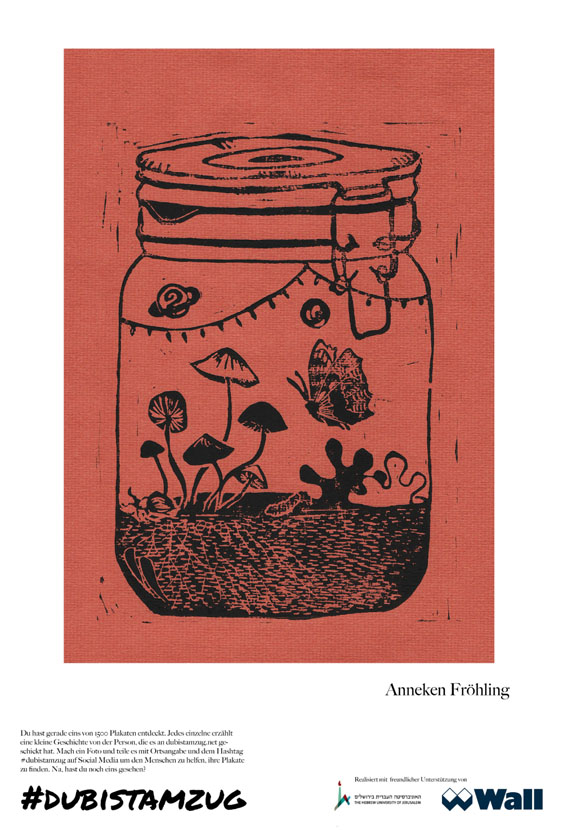
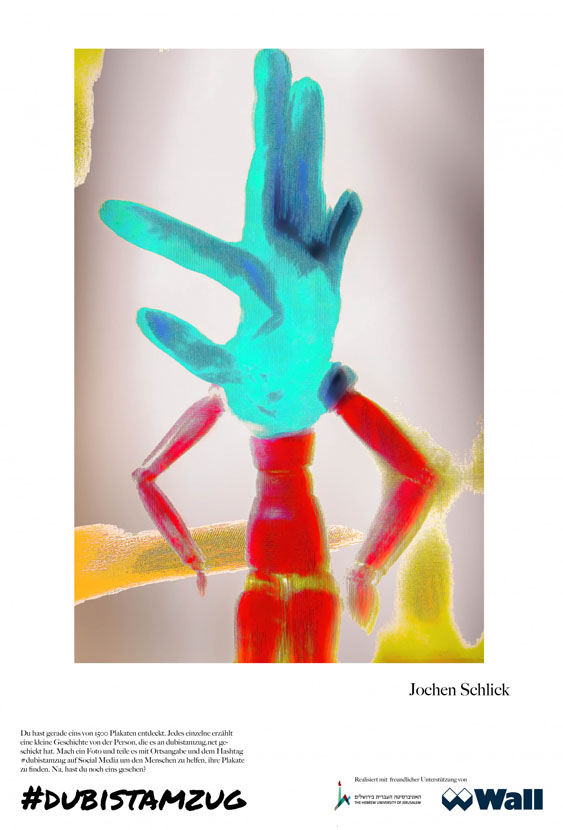
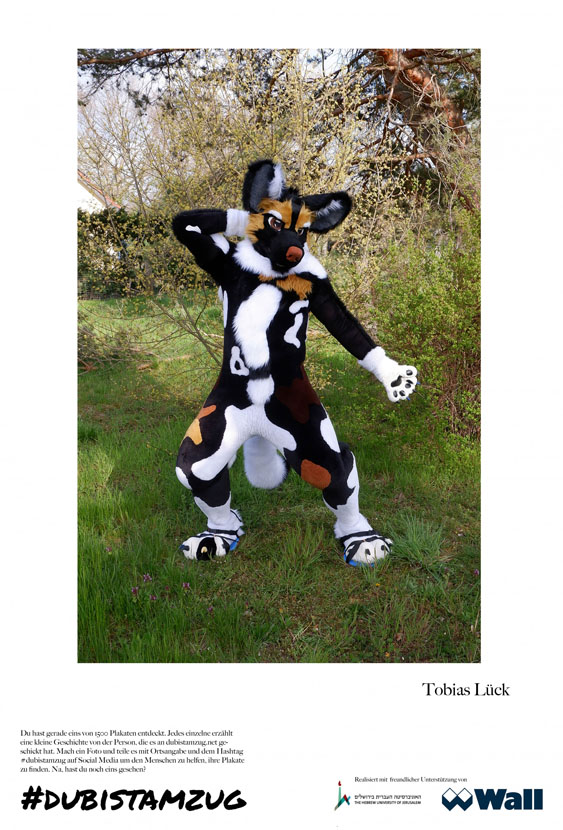
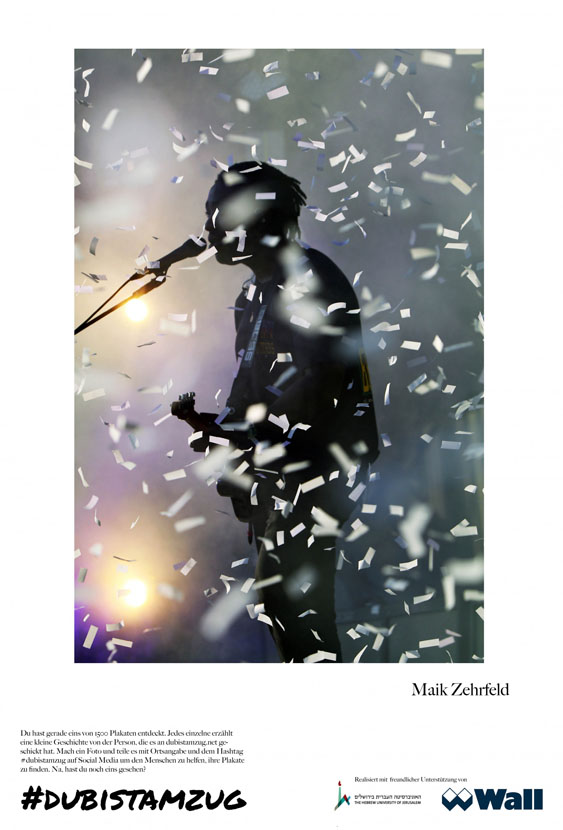
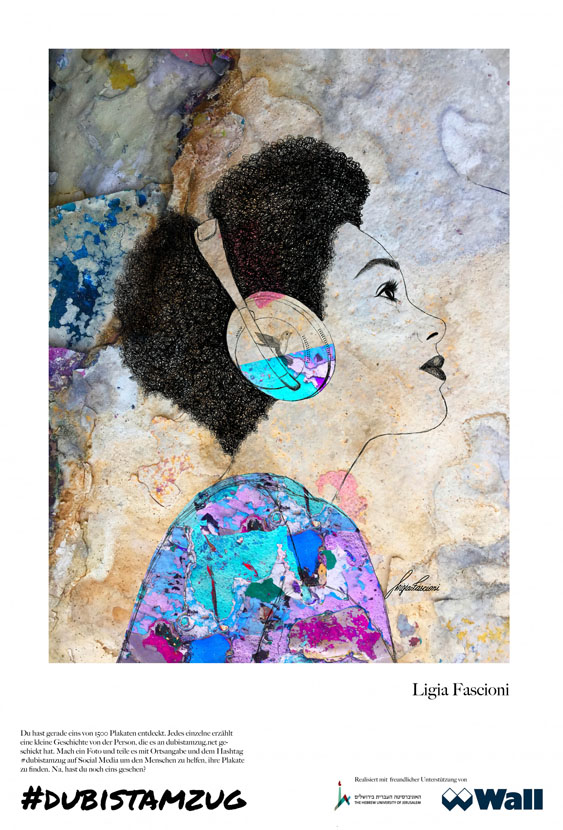
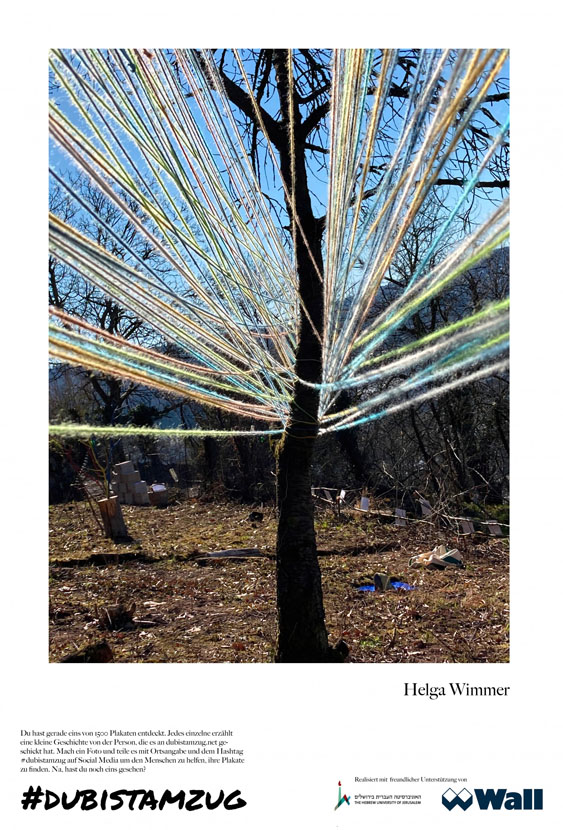
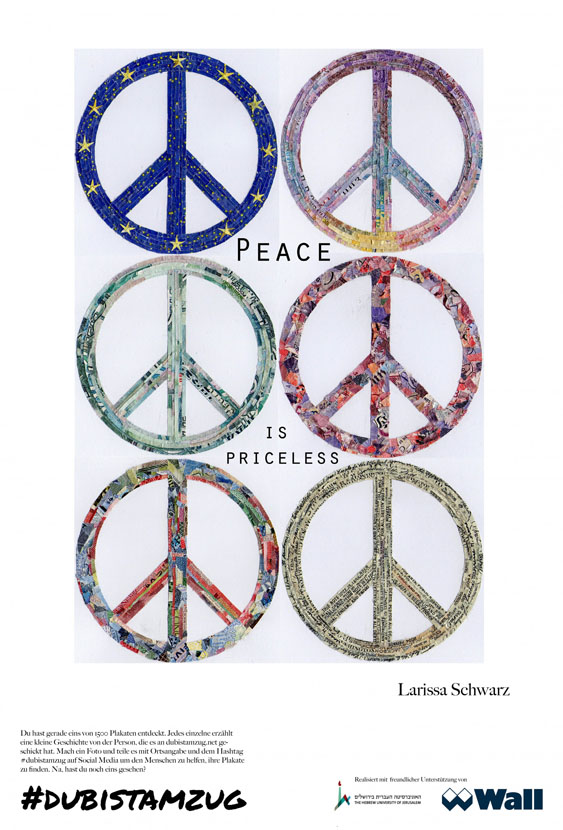
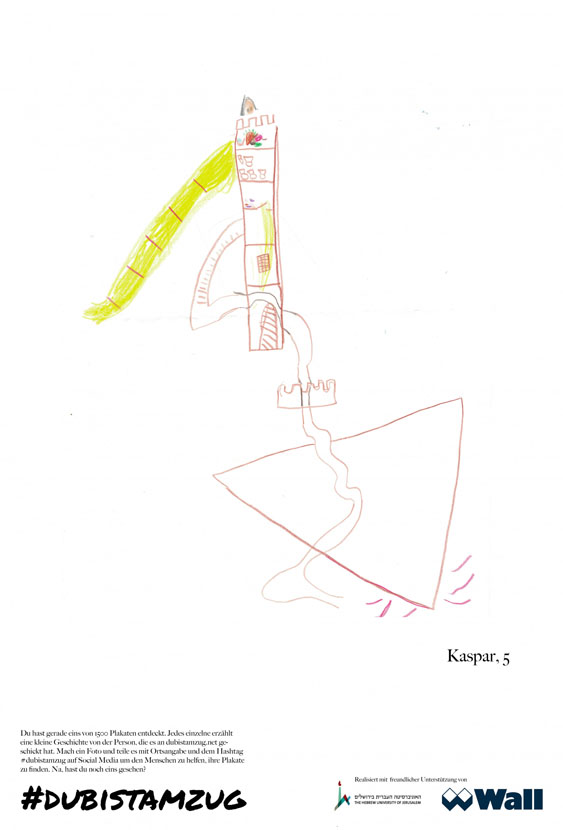
Most participants sent contributions demonstrating some aspect of their creativity – these were drawings and paintings made in various techniques, collages of all kind, art installations, digital artworks, sculptures, poems, self-made designs and a self-made costume, as well as photographs showing the participants dancing, singing, playing musical instruments or performing.
Political messages
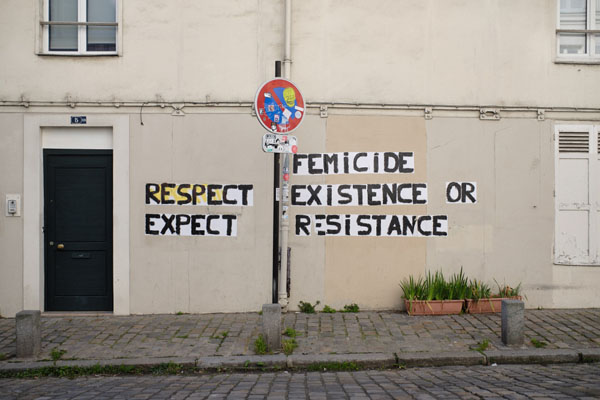
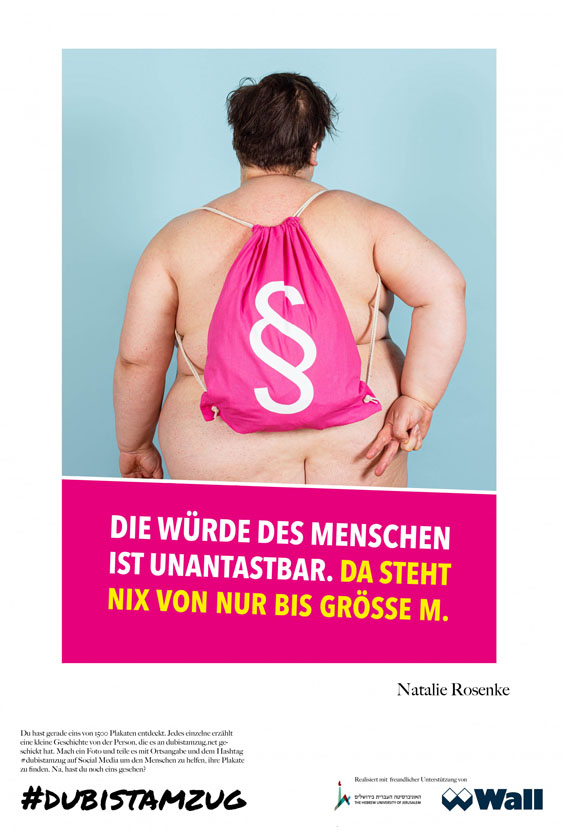
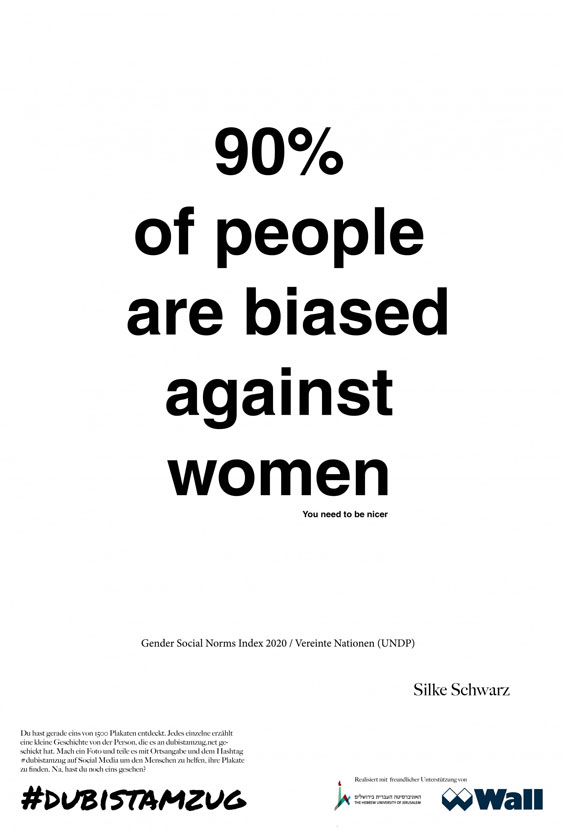
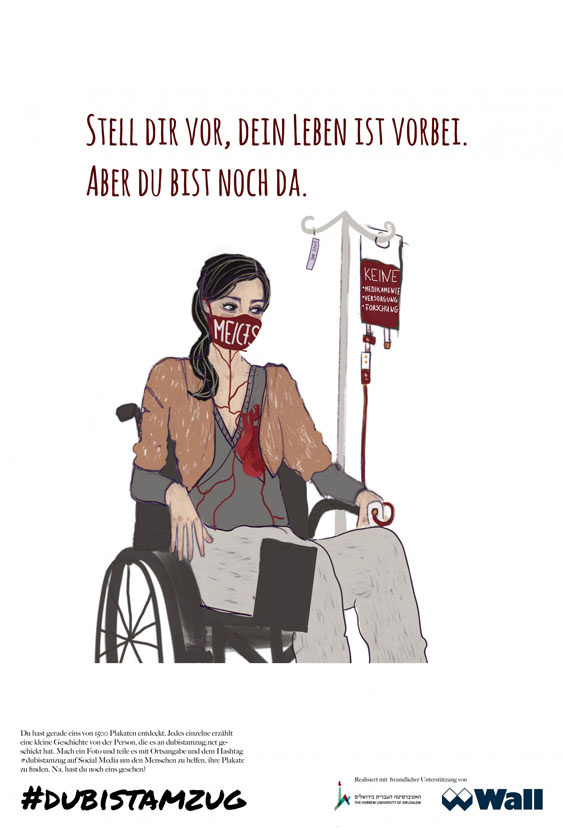
The second-largest category included political messages of various kinds. Most of them promoted equality in general or objected specific types of discrimination – the discrimination of LGBT people, women, as well as sick, disabled, mentally ill, introverted, and overweight persons. In addition, we received contributions aiming to make specific illnesses – such as diabetes and depression – more visible. We had an especially remarkable number of people sick with ME/CFS.
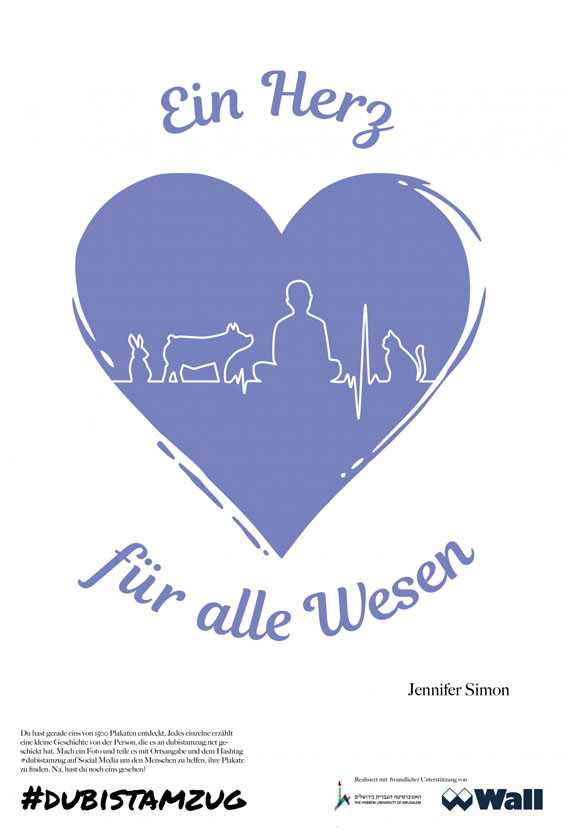
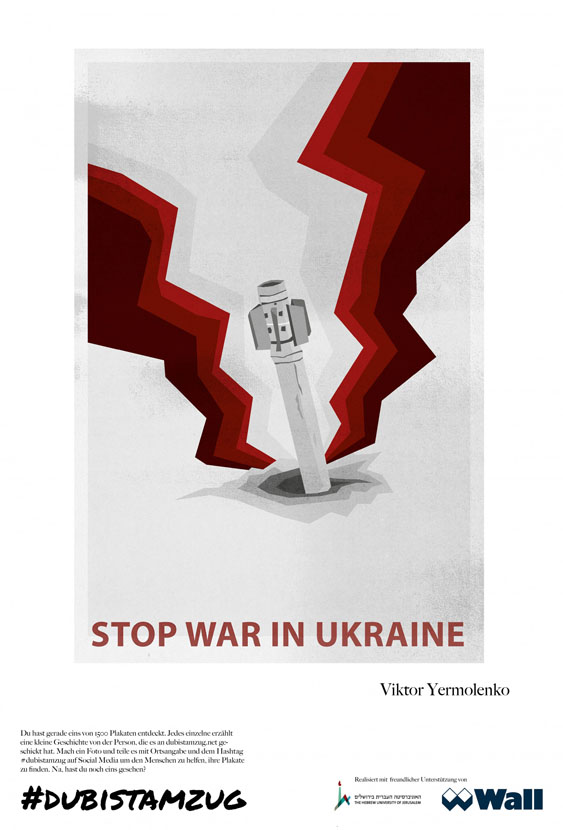
Additional prominent topics included environmental protection and animal rights, as well as anti-war messages – some objecting war and promoting peace generally, some referring specifically to the war in Ukraine.
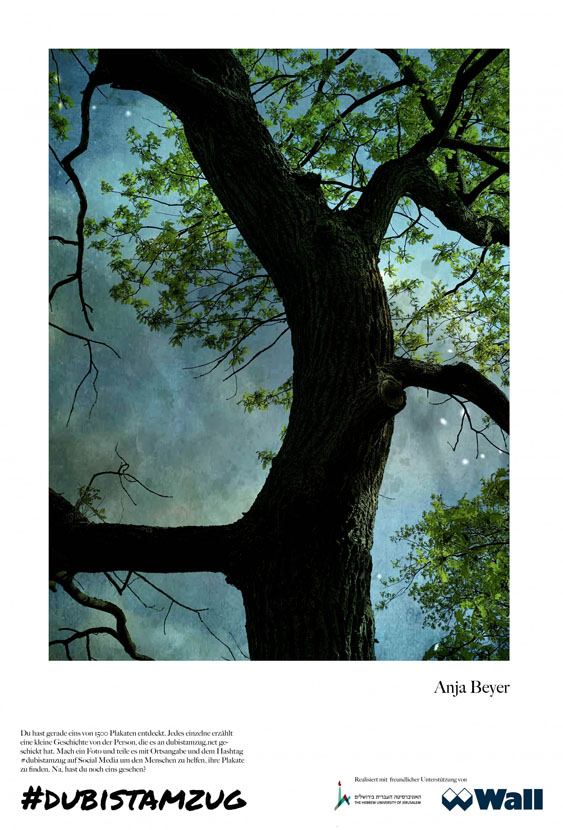
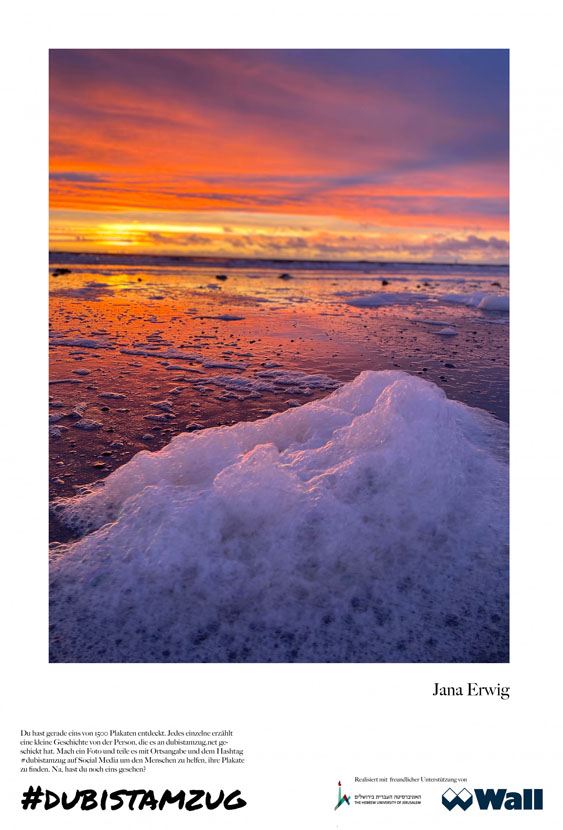
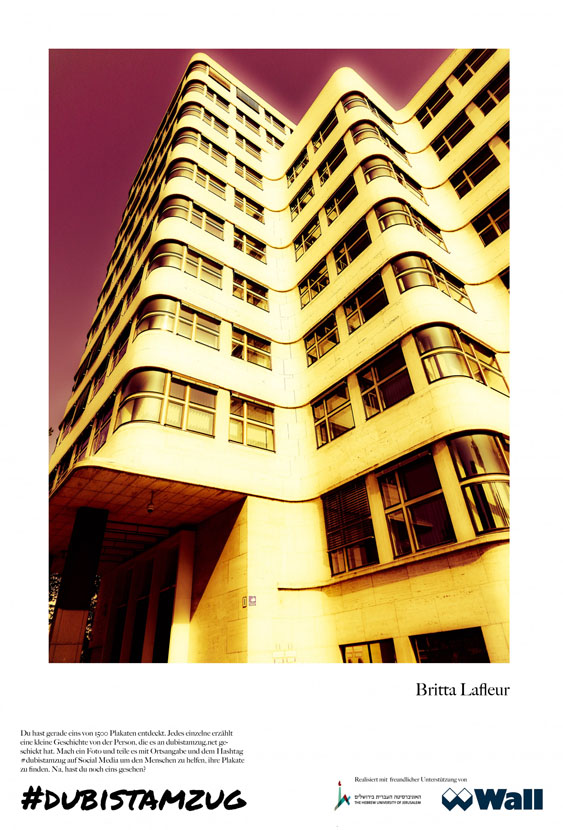
Photographs of nature, animals and cityscapes
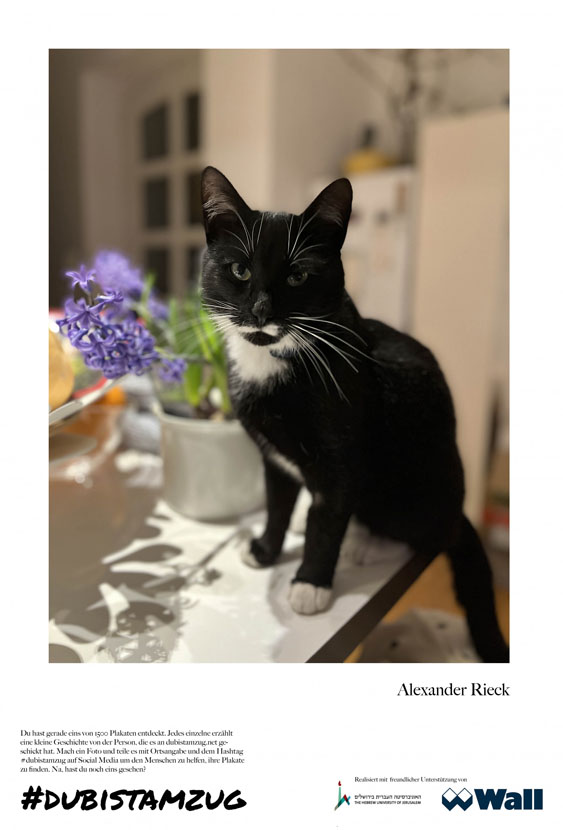
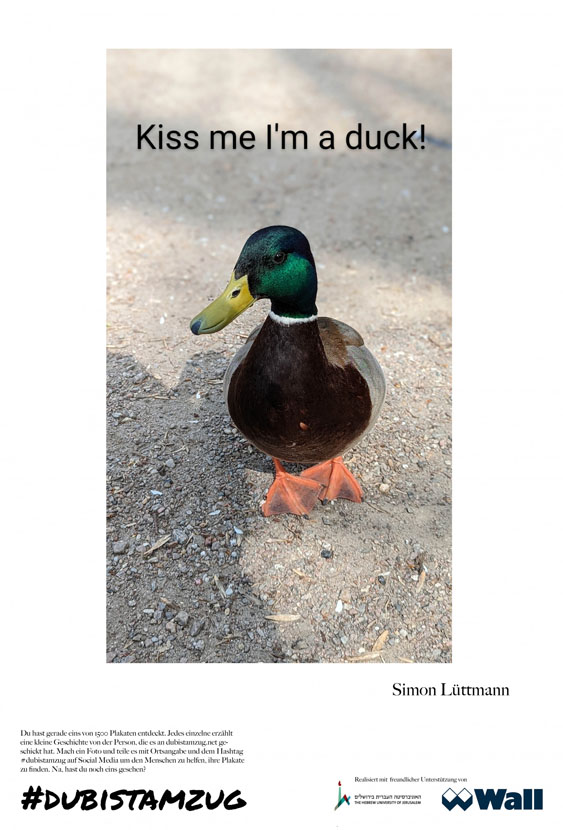
This category was as large as the second one. We received pictures of trees, flowers and other plants, along with various landscapes – mountains, forests, fields, lakes, rivers and seas. Some participants sent pictures of birds, such as doves, a robin, a duck, a heron, and a peacock. Others submitted photos of animals, among them a raccoon, a squirrel, a grasshopper, and, unsurprisingly, many cats and dogs. We also received pictures of cityscapes, most of them of German cities.
Glimpses into personal worlds
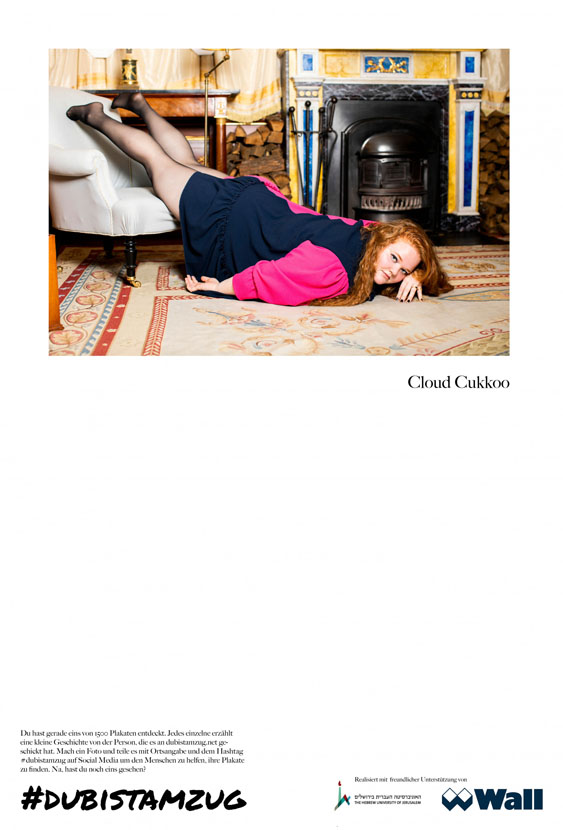
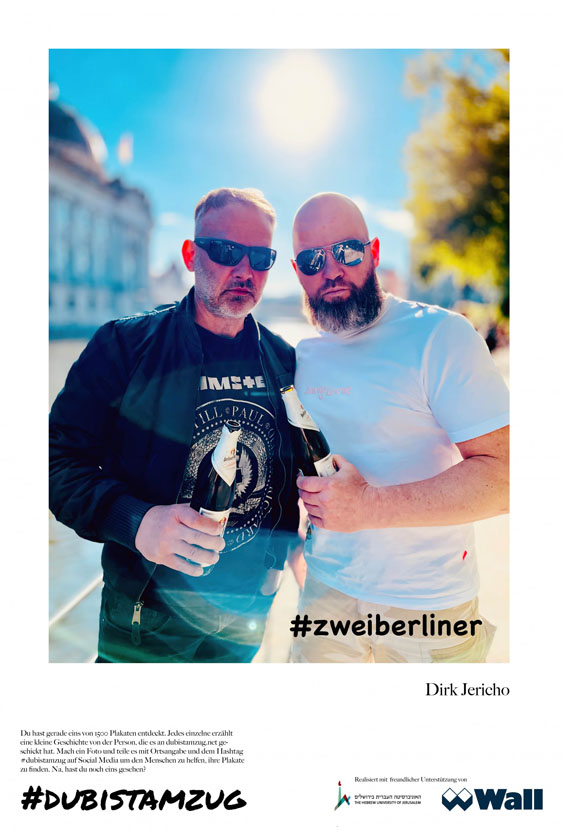
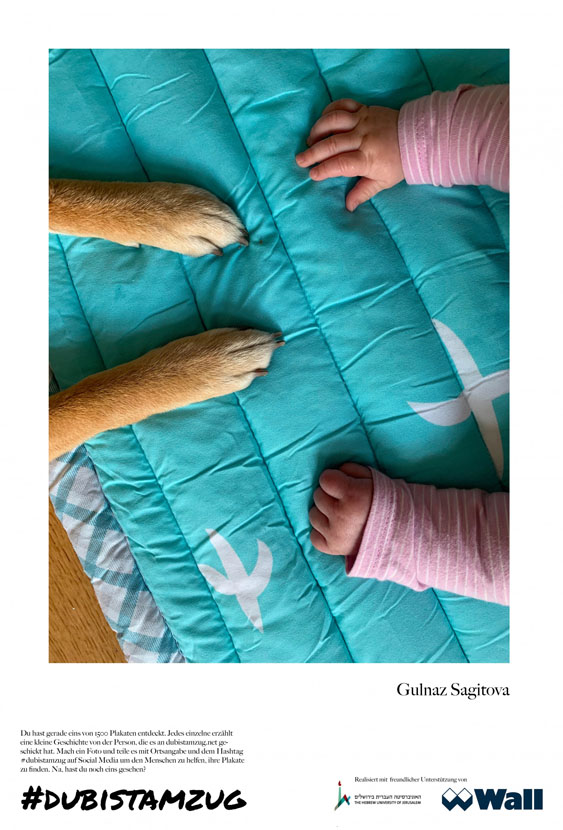
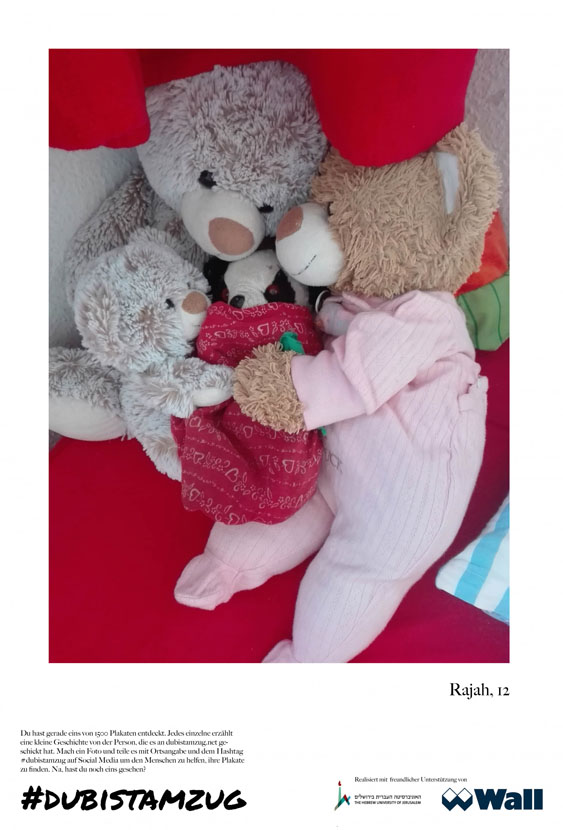
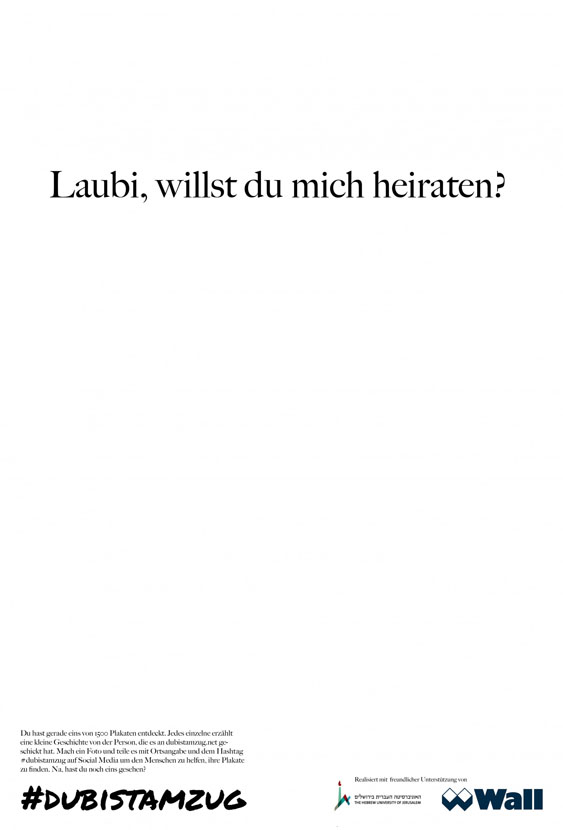
Next category consisted of contributions allowing a glimpse into the personal worlds of the participants. We received pictures of the participants, of their families, friends and pets, as well as pictures of intimate domestic environment. Some participants shared personal stories–among them stories of illnesses, sexual abuse, of war and refuge, but also positive experiences, such as finding love, overcoming difficulties, having fun or finding a new home. Others sent messages on specific persons–for instance, a poem in memory of the participant’s deceased grandmother, and two marriage proposals. In addition, many participants shared paintings and other artworks of their children.
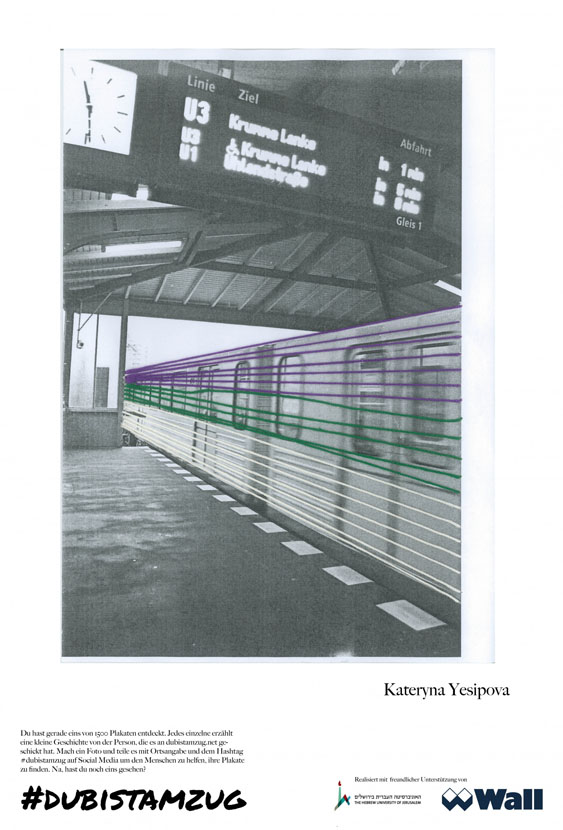
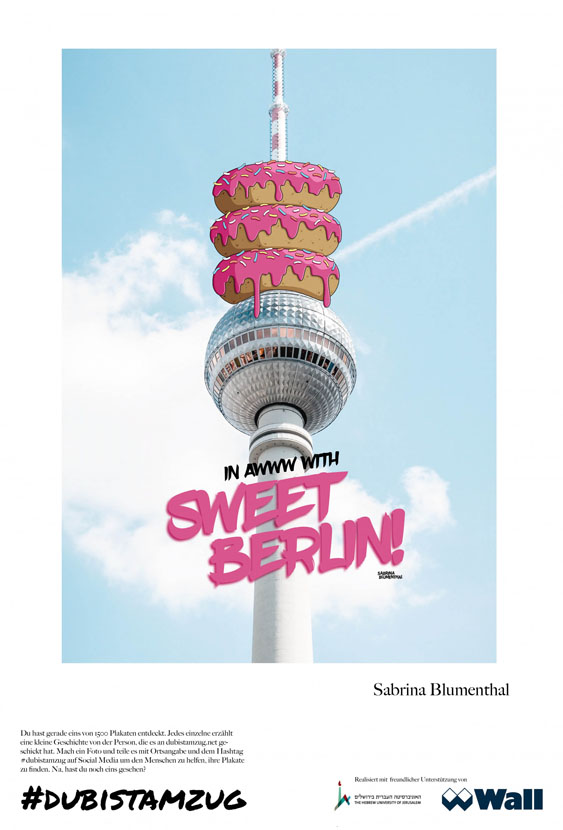
Berlin
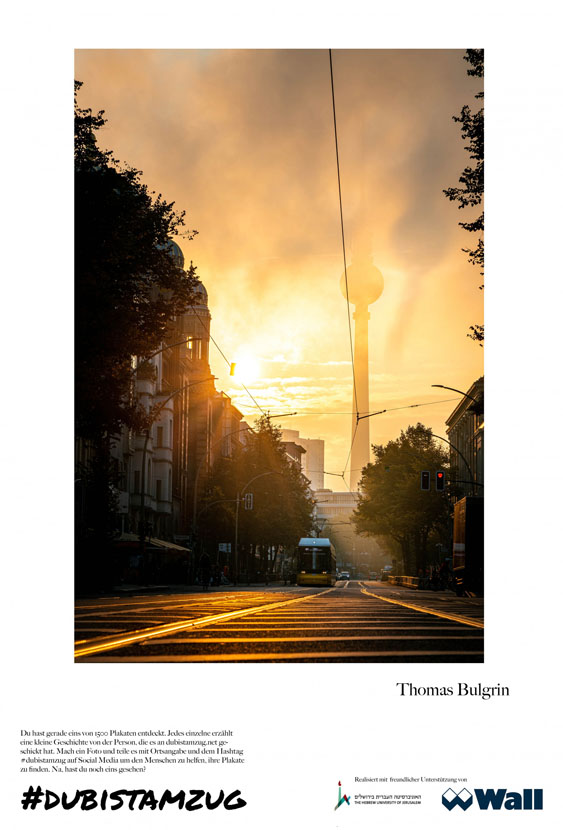
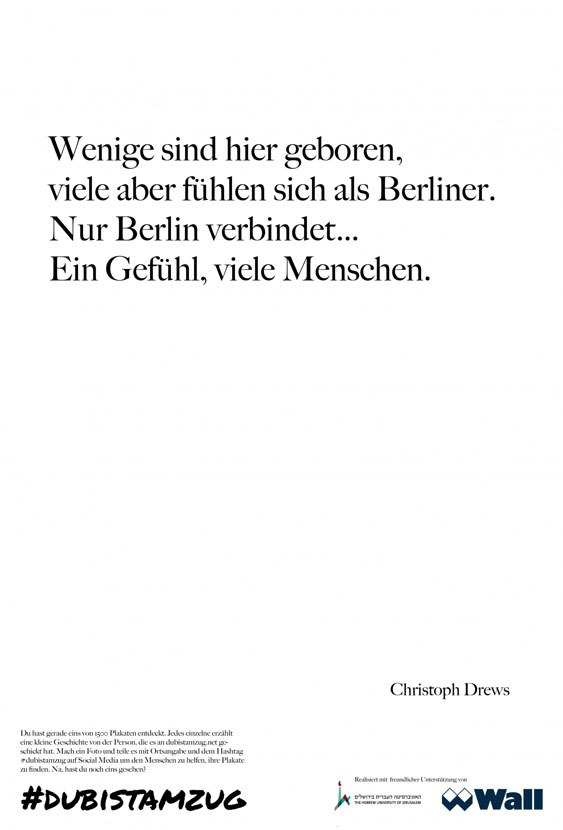
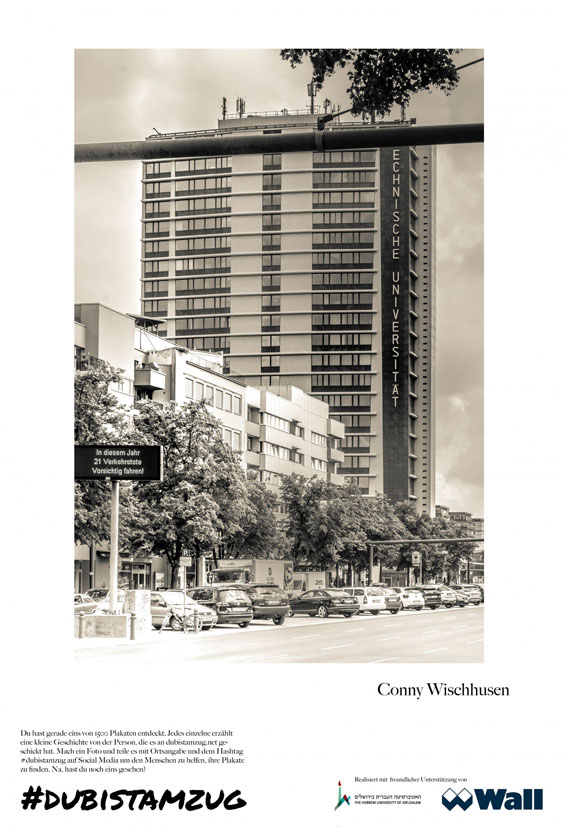
A fifth category included contributions dedicated to the city of Berlin. We received pictures of different places and from various historical periods of Berlin, along with collages on the topic – mostly incorporating the famous TV Tower. Participants also shared poems dedicated to Berlin, texts about their love to this city, about how it connects people, makes everyone feel at home, as well as about how diverse, unconventional, and inclusive it is.
Inspiration, greetings, compliments and advice
The final category included messages aimed at giving inspiration, greetings, compliments, and advice. Many contributions in this category related to taking time, living the moment, and perceiving the current point in time as the right one. Others included greetings, such as wishing a good day or asking “how are you?” Further contributions advised to have courage, patience, and solidarity, to fulfill small dreams instead of running after big ones, to tolerate grey tones, and even to pickle cucumbers. This category also included inspirational quotes, such as “Do not be afraid of the stupid who know nothing, be afraid of the smart who feel nothing” (Erich Kästner) and “One sees clearly only with the heart. Anything essential is invisible to the eyes.” (Antoine de Saint-Exupéry)
Some comments from the participants
Many of the participants shared some information about their contributions and about their motivation for taking part in the project:
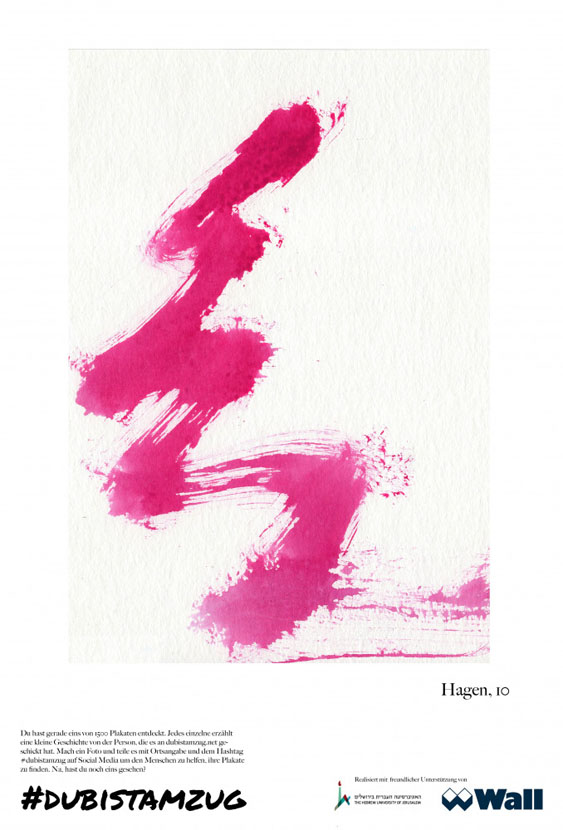
Hagen is severely disabled and has difficulties with hand motor skills. He has painted “Mama” in one of his favorite colors. For him and us a masterpiece that we would like more people to see. 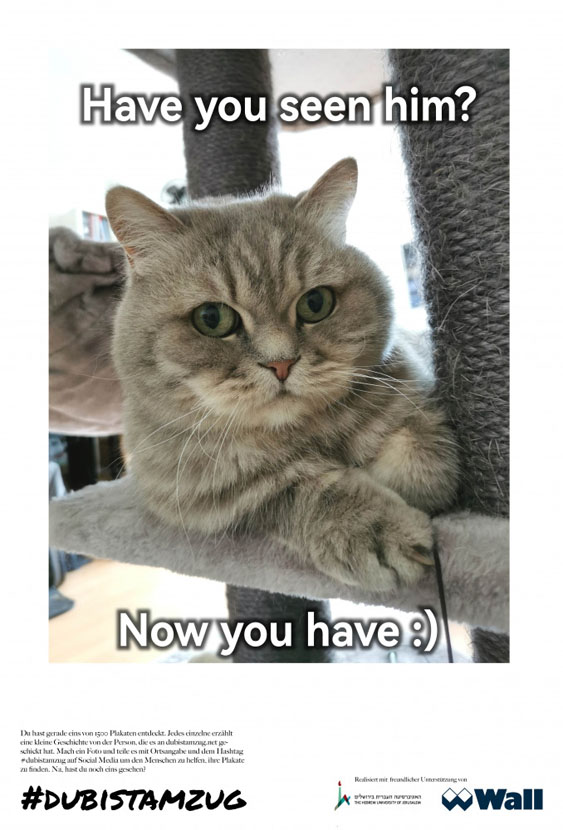
My cat is so pretty and I think more people should see him. 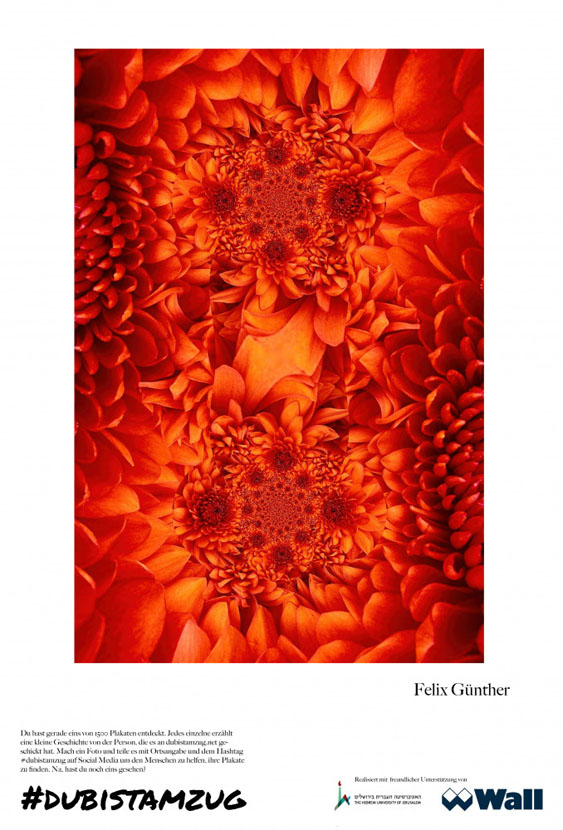
I am a mathematician at the Technical University of Berlin and work, among other things, on conformal mappings and their discretization. The picture shows a conformal mapping of a chrysanthemum and combines mathematics and art in an impressive way. 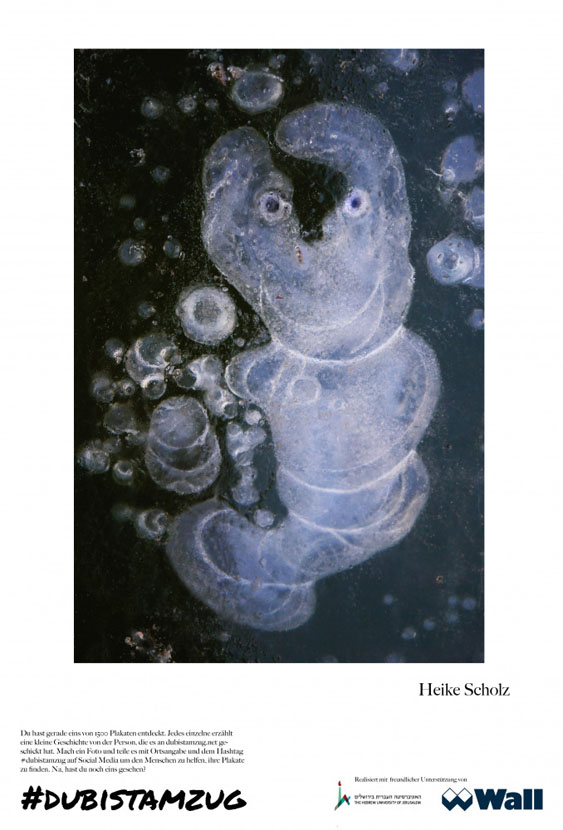
The photo shows a Berlin ice creature… so to speak from the underworld. Taken on the frozen canal in Neukölln. 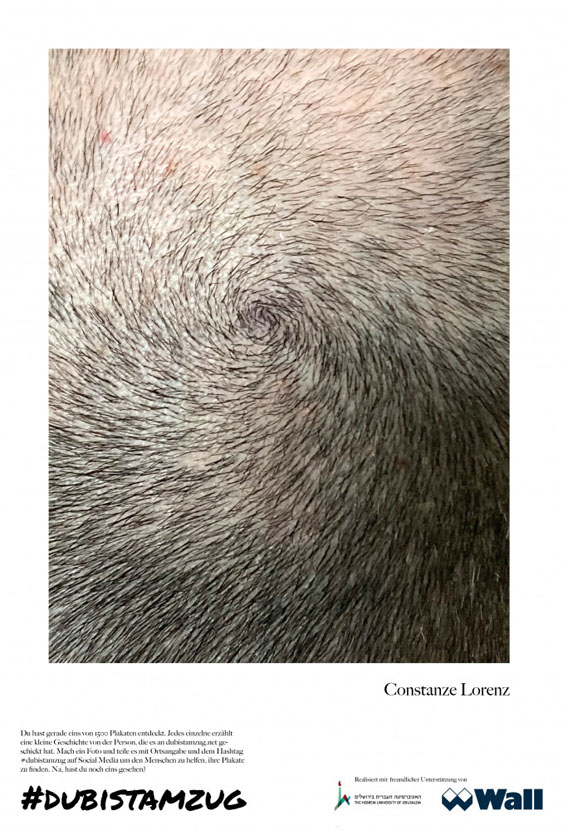
With my picture of the back of a friend’s head, I wanted to surprise him. Also, his hairstyle looked like the yin & yang sign, because of his swirl. 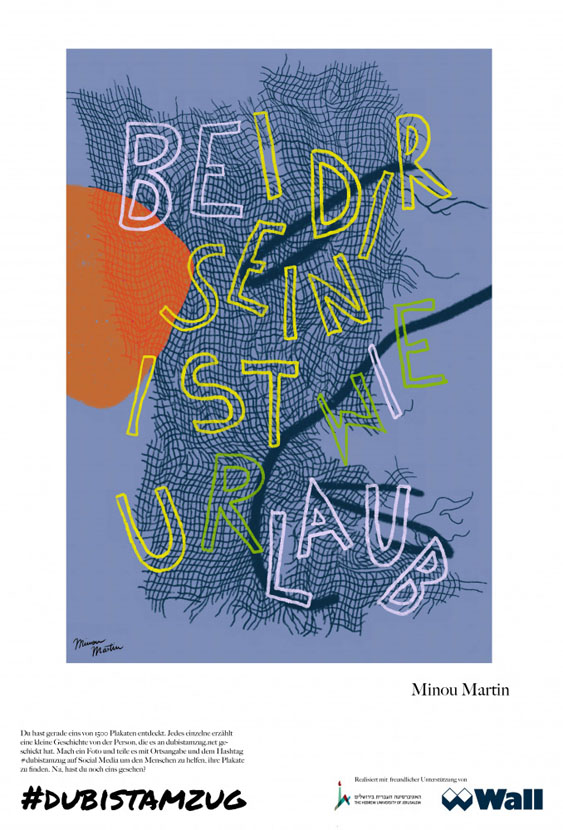
I have chosen a work called “compliment shower,” which gives the viewer a compliment that has nothing to do with the external appearance.
What’s next?
Du bist am Zug yielded a great volume of data, which we are now processing in order to present them in an article – and then, in a book. At the same time, we are looking for further opportunities to conduct similar projects – in Berlin and elsewhere.
Our vision
DU BIST AM ZUG is part of our research on public spaces and freedom of expression.
What is freedom of expression?
In theory, all people have an equal right to the free expression. Yet, in practice, only a few individuals have the opportunity to express themselves publicly in a way that reaches an audience. The access to mass media is strongly associated with political and economic power. On the social media, one’s messages mostly reach one’s acquaintances and like-minded people. Museums and galleries exhibit only works of famous artists.
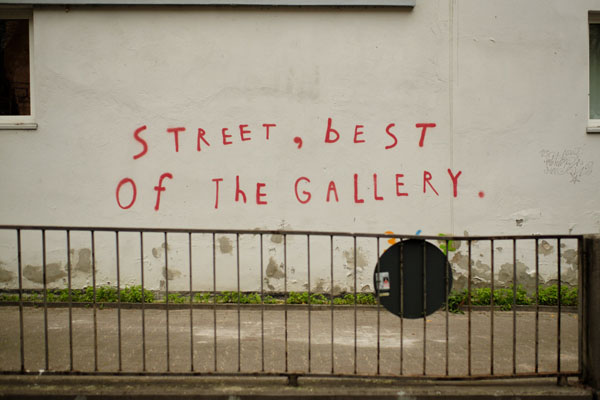
Urban public spaces, where we all spend our time daily, offer the best opportunities to express oneself and to be heard. Yet, today these spaces are dominated by advertising, political messages, and commissioned art. An individual’s right to free speech thus remains a theoretical ideal.
Du bist am Zug aspired to change this picture – even if only for a short while – offering everyone a stage – a real chance to express him- or herself freely in urban public space. At the same time, the project gave people in Berlin the opportunity to learn what their fellow citizens wish to share with them. We hope that our project will start a new kind of social discourse – a genuinely inclusive and egalitarian exchange, free from commercial or political interests.
Who owns public spaces?
Theoretically, we all do, but what does this mean? Practically, this means that we all can access public spaces: we constantly use these spaces on our way to work, to meet friends, to shop or otherwise spend our time. We can admire a statue placed in a public part or ask ourselves what a piece of modern art placed on a plaza actually means.
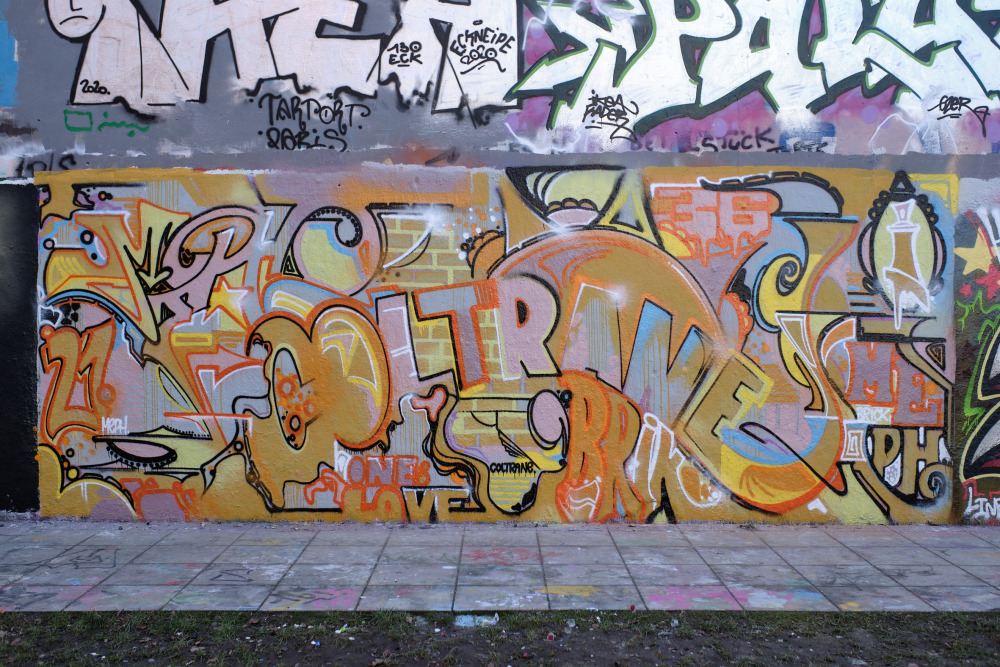
We all play the passive role of consumers of our own city – we can use the city to commute, to shop, to work, but we cannot change or add anything to the public space we all theoretically own. While advertising and graffiti struggle over our attention, most city residents remain invisible.
Now imagine another city – a city whose public spaces carry messages of its residents, whose landscapes are created and recreated as an ever-changing collage of multiple voices. In this city, public spaces are genuinely public – visit them, and you’ll encounter the worlds of people who live in the city; leave your own contribution, and others will learn something about you, too.
Du bist am Zug is a first step in the direction of this imaginary city. It allowed some space for free expression and creativity. Through this first experiment, demonstrated that public spaces may become interesting, colorful, funny, thought-provoking and touching if people are given the chance to design them with their expressions.